Describe the connector and the assembly end separately
Begin with a drawing that shows what each end of the lead is expected to become in your product. Identify the USB connector at one end. At the other, show where the lead will join your assembly and describe the termination your process requires. Keep these two descriptions distinct so that a reference to the USB connector does not stand in for the complete lead specification.
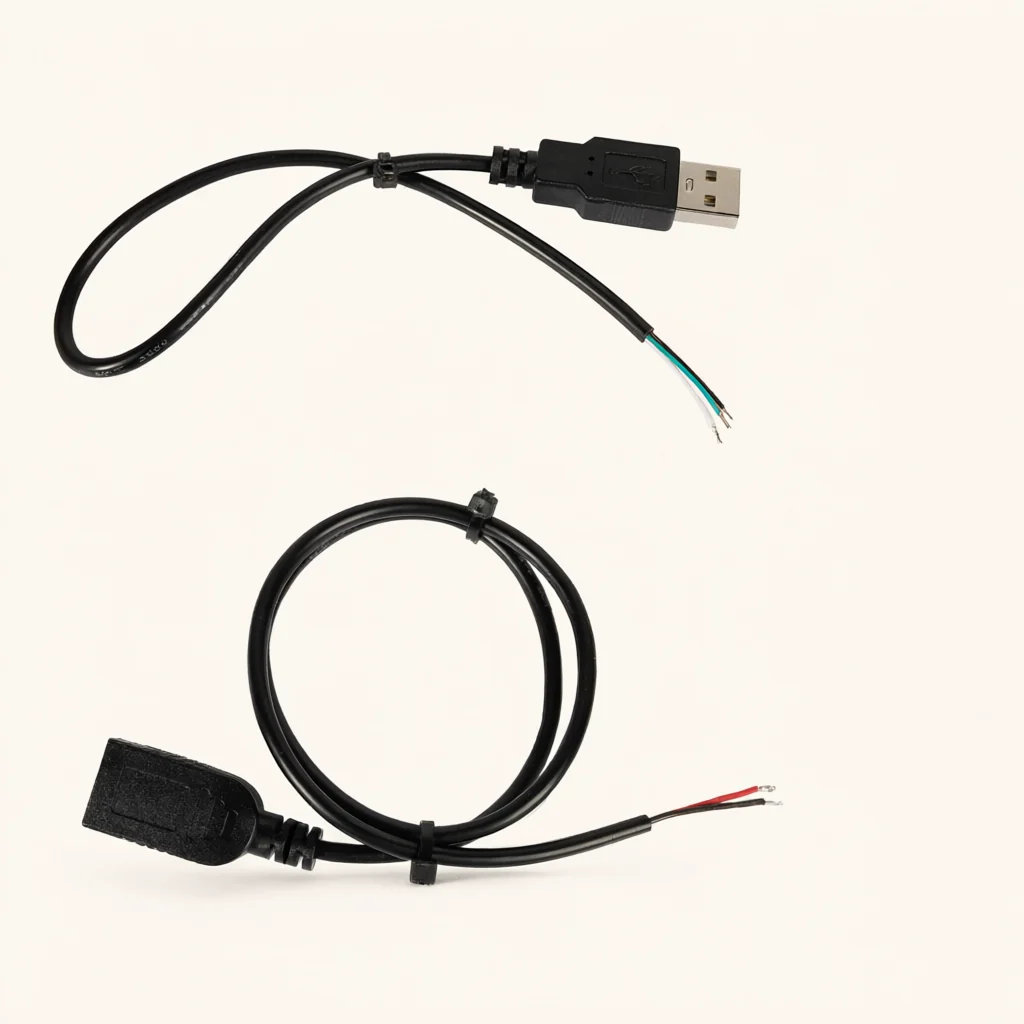
The listed series includes male and female single-ended forms. State which form you need for each part number. If the same project requires a male lead and a female lead, separate them in the purchasing list even when the requested length and color are identical.
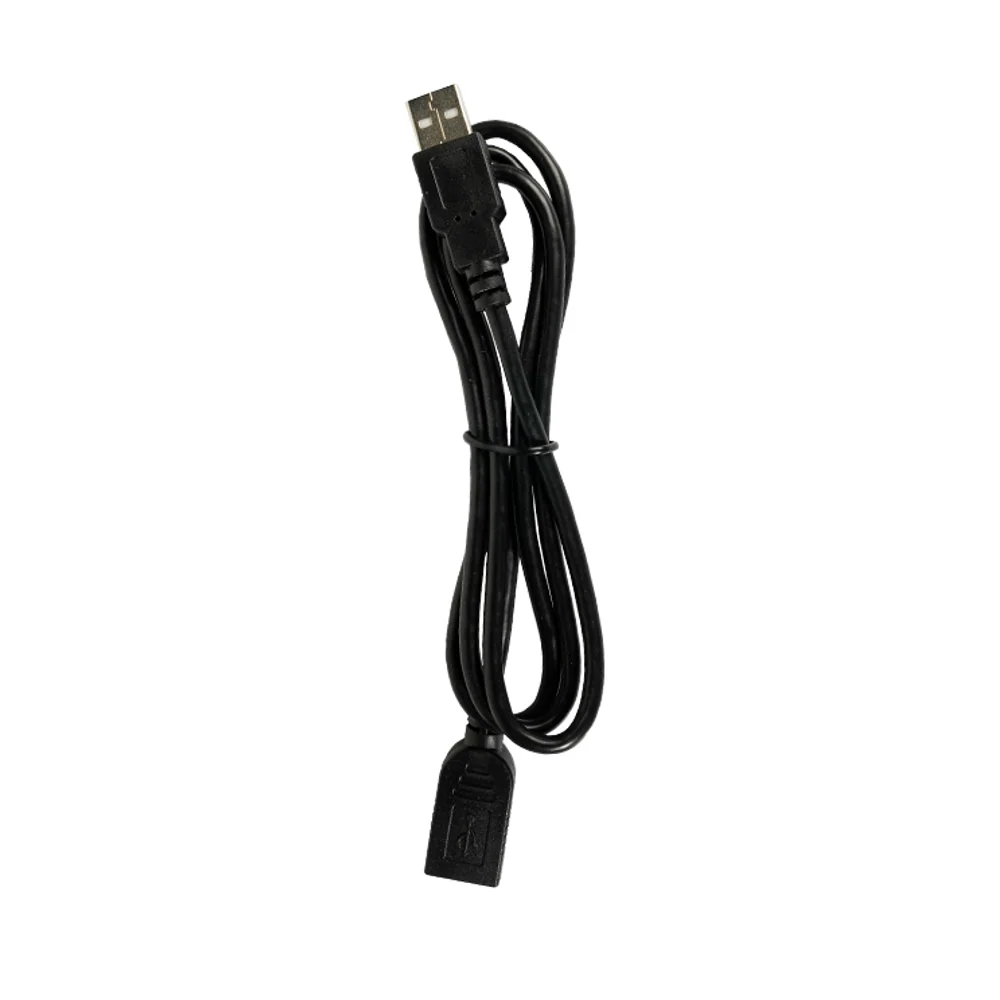
Avoid using a picture of a finished extension as the only reference for a pigtail. Your receiving team needs to know what is included in the supplied lead and what your own assembly process will add. Put that division of work in the enquiry and ask for the proposed supply condition to be confirmed.
Show where the lead enters your product
Place the intended connector on a sketch of the finished equipment. Mark whether it will be accessible to the user, concealed inside a housing, or connected during assembly. The sketch should show the space around the connector and the direction in which you want the lead to leave it.
For a panel or enclosure, include the relevant opening, cover and nearby components on the view. Ask your assembly team which dimensions need to be controlled and show their measurement references. Alongside the lead length, mark the space you want reviewed around the connector body and the access your team requires.
If the enclosure is still under development, label the fixed dimensions and the dimensions that remain open to discussion. Do not send an early layout as though it were the approved installation. Make the purpose of the sample clear: for example, a buyer may request a sample to review physical placement before releasing the enclosure drawing. That is an evaluation request, not a statement of product compatibility.
Write a connection schedule for the unfinished end
Give each required connection a written destination in your assembly. Ask the person responsible for the circuit to provide the terminal map, viewing direction and identification scheme. Keep those instructions attached to the same drawing as the connector form. The purchasing description should not require the supplier to guess a connection from a wire color in a photograph.
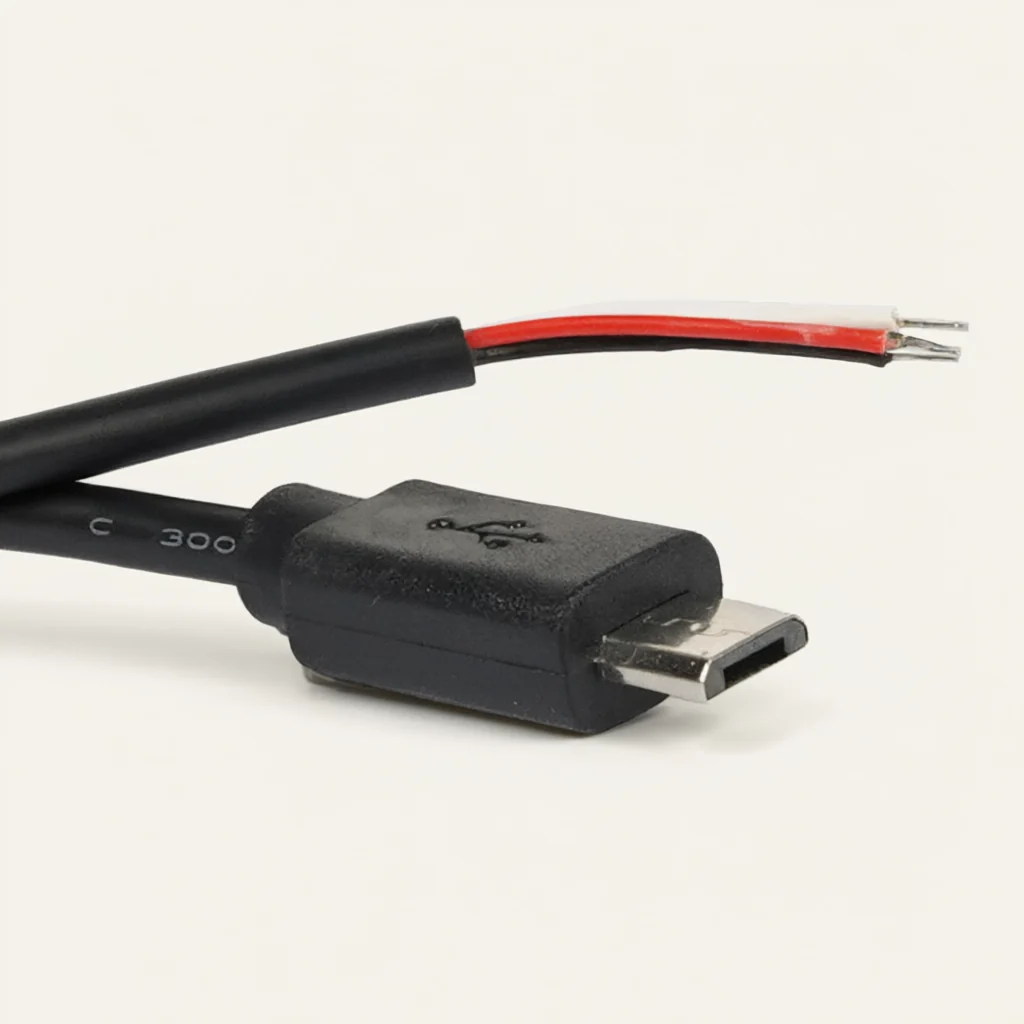
Describe the preparation you want at the unfinished end as a request. Include whatever your process needs to discuss, such as exposed length, identification or the proposed connection to another component. Ask which details can be supplied as requested and which need further review before a sample is prepared.
For a product with several lead variants, use a separate connection schedule for each. A shared enclosure can still contain different wiring requirements. Check that the part reference on the schedule matches the reference on the cable drawing, and that obsolete schedules have not been included in the same enquiry package.
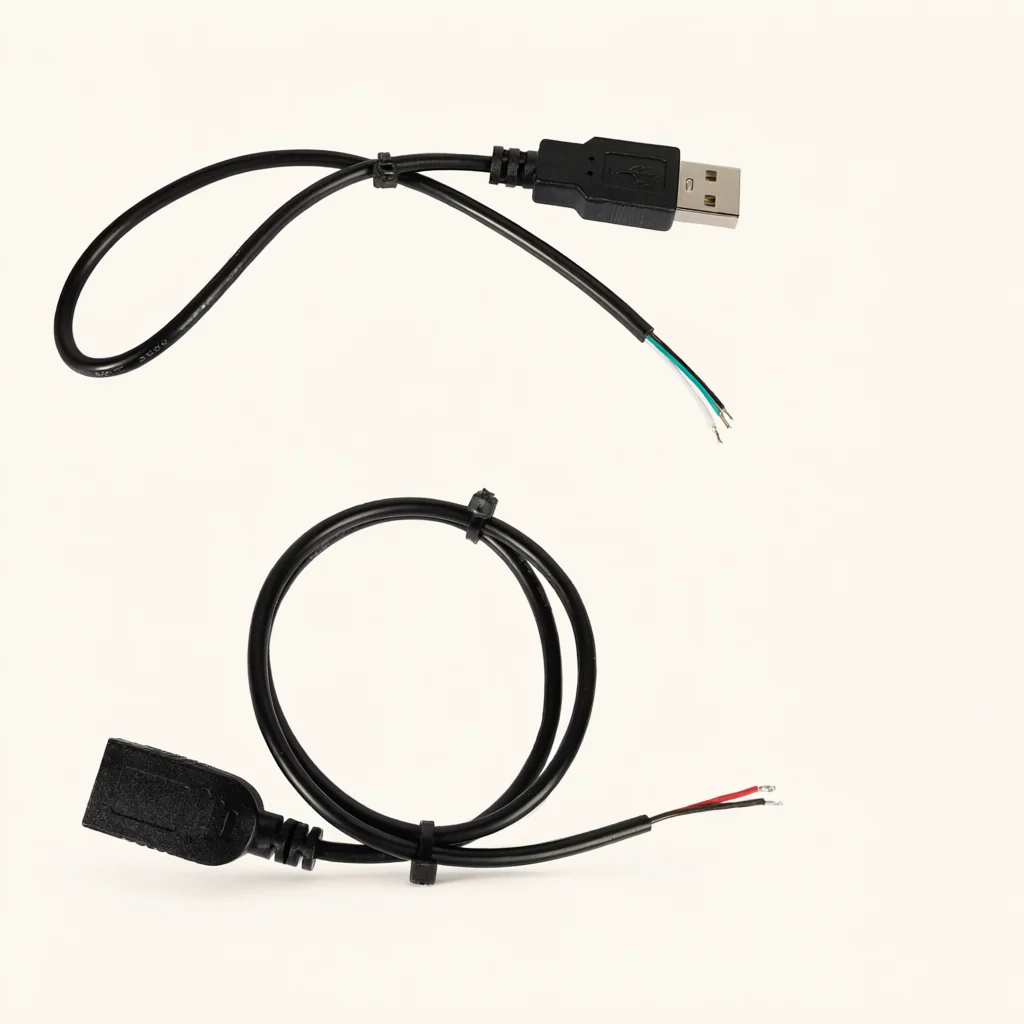
Choose a useful lead length
The series lists 30 cm, 50 cm, 100 cm and 200 cm lengths, alongside custom lengths. Select a starting length from your installation drawing rather than from a coil photograph. Show the path from the USB connector to the intended assembly connection, including the portions that your team expects to handle during installation.
Put the measurement convention on the drawing. Identify whether your requested dimension runs between connector references, between a connector reference and a cut end, or between other agreed points. If the length will be checked at incoming inspection, make sure the inspection instruction uses the same references.
Review the lead in the positions relevant to your product. Ask whether the intended assembly sequence requires a cover to be open, a component to be moved, or a temporary connection to be made. Include these details in the discussion where they affect the amount of working lead you want. Avoid turning an informal 'extra length' note into an uncontrolled second specification.
Match color and packaging to assembly identification
Black is a listed color for this series, and color customization is available. PVC is listed for the outer jacket. Length, color, jacket material and packaging can be discussed within the stated customization scope. Identify the preferred combination in one place so that the lead's appearance and supplied condition are not described differently across documents.
If your product contains several similar leads, decide how your team will distinguish them before placing an order. A color request can form part of that identification plan, but include the part reference and connection drawing as well. Ask for the proposed identification and packaging arrangement to be confirmed for the actual configuration.
Describe how the lead will reach the workstation: as one item in a product kit, as a separately issued part, or through another receiving arrangement chosen by your business. State the information your team needs on the packing identification. Keep the request practical and specific rather than asking for 'standard packaging' without explaining what your assembly process expects.
Give the sample reviewer an assembly task
A useful sample review begins with a defined task. Ask the reviewer to place the connector in the intended position, route the lead as shown, and compare the unfinished end with the agreed preparation request. Provide the drawing revision and any relevant mating component so that the review is tied to your actual assembly proposal.
Record physical observations separately from electrical or functional evaluation. Photographs can document where the connector sits, where the lead passes and how the unfinished end reaches the receiving component. The equipment owner should define the functional checks appropriate to the application; include those requirements in the sample discussion rather than assuming them from the USB label.
Where the sample raises a question, identify the affected feature and the change being requested. Keep the accepted details visible. An instruction to change the tail preparation, for example, should say whether connector form, length and jacket color are to remain as previously reviewed. This gives the next discussion a clear starting point.
Keep a pigtail request distinct from an extension request
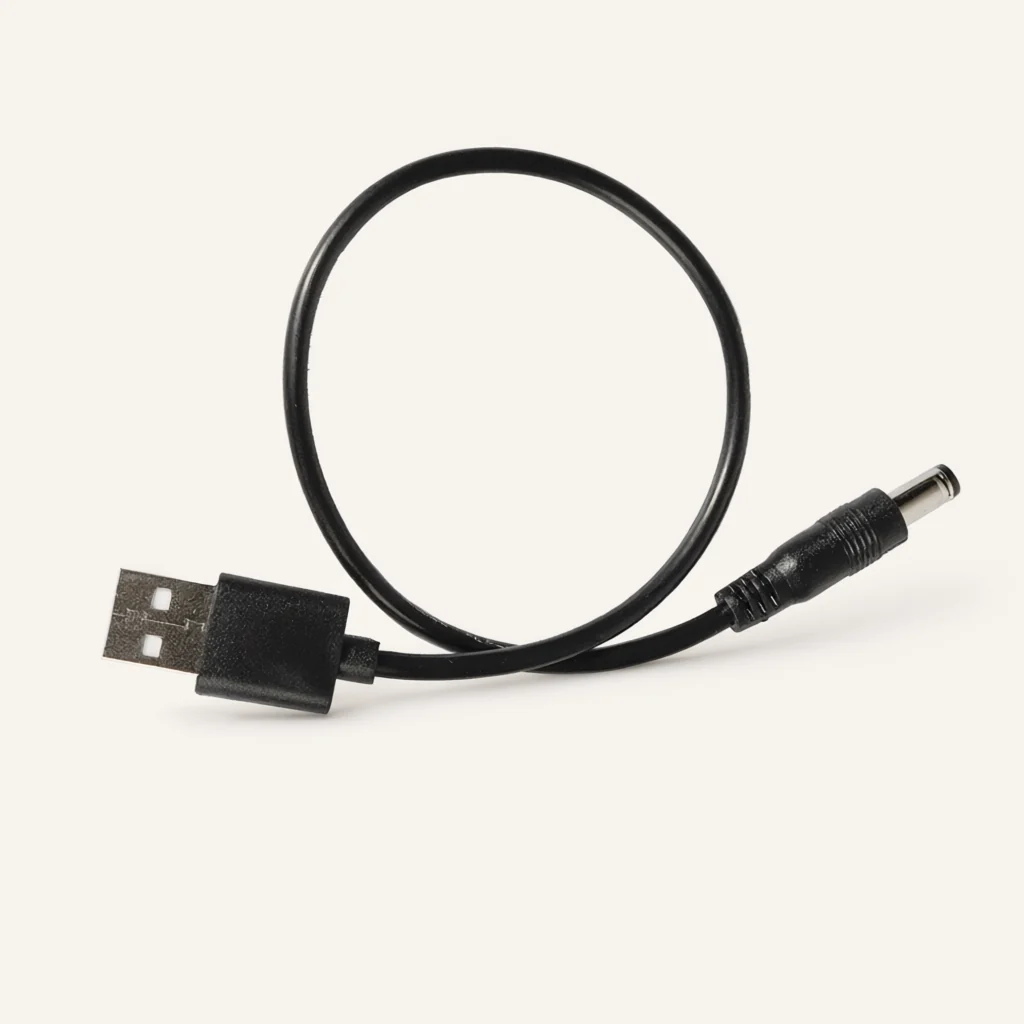
Browse the USB product range with the supply boundary in mind. A single-ended lead is being selected for an assembly connection, while a finished extension request concerns the interfaces at both finished ends. Describe that difference in your internal parts list before comparing series options or asking about quantities.
For a repeat purchase, retain the connection schedule, drawing and approved appearance record together. Ask the purchasing team to quote the current revision in the enquiry. If a colleague sends a replacement photograph, check that it represents the same connector form and the same unfinished-end requirement before treating it as an equivalent reference.
When a product revision changes only one feature, list that feature explicitly. State which previous instructions are being replaced and which should stay in force. This is especially useful where an enclosure team, a circuit team and a buyer each maintain part of the documentation. One consolidated request is easier to discuss than several messages with different assumptions.
Build a USB lead enquiry around the drawing
Huajunxin is a wire and cable manufacturer integrating production, research and development, and sales. For this single-ended USB series, prepare an enquiry with the connector form, lead length, requested quantity and unfinished-end requirements. Add a clear drawing link and any color, jacket or packaging preferences that affect the requested configuration.
Use the contact page to describe the request and include the drawing link. For documents that you want to send directly, use email. The form does not provide an attachment-upload step, so make sure the drawing is available through the link or the email correspondence your team supplies.
Ask for the proposed supply condition to be stated in the response. Discuss sample arrangements, commercial terms and delivery planning for that particular request. Keep any open technical questions visible so that they are answered before your team treats the cable description as ready for purchase. A complete enquiry need not be lengthy; it needs to make the two ends and their responsibilities clear.
Frequently asked questions
Does this series include male and female pigtails?
Yes. The series identifies USB male and female single-ended forms. Choose the required form for each line item and show the mating interface. Also describe the unfinished-end connection your assembly needs. Do not assume that a photograph of one form represents every lead configuration, particularly when several products in your project use similar-looking connectors.
Which lengths can I discuss?
The listed lengths are 30 cm, 50 cm, 100 cm and 200 cm, with custom lengths available. Show the measurement references and the planned route in your drawing. If working length is required during assembly, identify that need explicitly. Ask for the proposed length and supply condition to be confirmed together for the connector form you select.
Can color and packing be customized?
Color and packaging are included in the stated customization scope, together with length and jacket material. Black and a PVC jacket are listed series options. Describe any identification or packing requirements used by your assembly team, and ask for the requested combination to be confirmed. A color choice should accompany the part reference and connection schedule, rather than replace them.
What should the unfinished-end instructions contain?
Provide a connection schedule, a clear viewing direction and the preparation your process requests. Include the receiving component or assembly reference where useful. These are requirements for discussion, so ask for confirmation of the proposed supply condition. Keep the instructions with the current cable drawing and make any revision easy to distinguish from an earlier sample request.